
Free Worldwide Shipping on Orders Over $150
What Is Tagine: The Moroccan Cooking Vessel

When we talk about North African cuisine, one iconic piece of equipment transcends its functional role to become a symbol of tradition, sustainability, and the convergence of art and practicality. So, what is a tagine? What is tagine, really? To answer these questions, we need to understand that the tagine—pronounced tah-JEEN (to pronounce tagine correctly, emphasize the second syllable)—is far more than a cooking vessel. What is a tagine pot, fundamentally? It’s a glimpse into centuries of culinary innovation and cultural heritage that continues to reshape how modern cooks approach slow-cooking and flavor development. Note that you may also see the alternate spelling tajine, particularly in French culinary contexts, though tagine remains the most common English transliteration.
Understanding the Basics: What Makes a Tagine Different
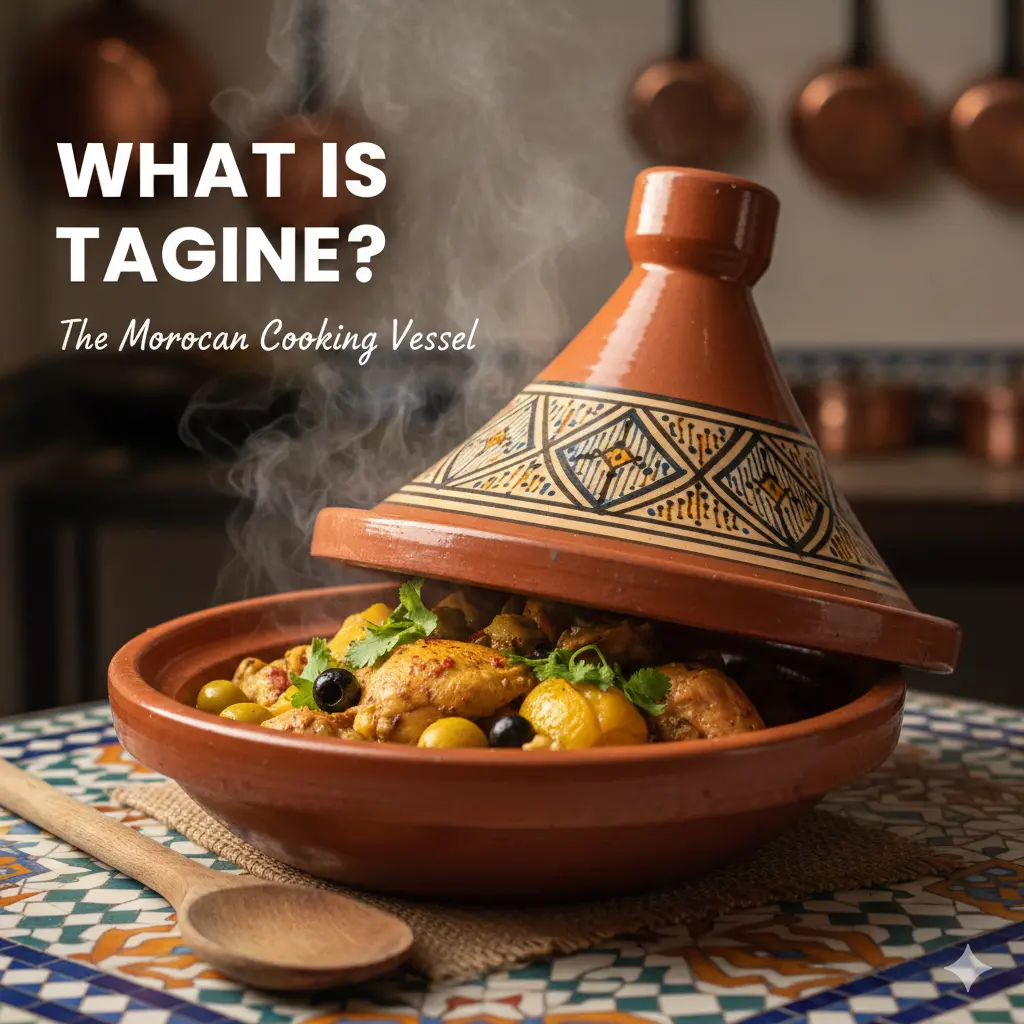
A tagine is a cone-shaped cooking vessel with two distinct components: a wide, shallow circular base and a tall, conical lid that tapers to a knob at the top. To define tagine more completely, we need to recognize that the term carries dual meaning: it refers both to the physical pot itself and to the slow-cooked dishes prepared within it. The tagine definition in culinary contexts is inseparable from the cooking method it enables. The tagine meaning goes deeper than mere function—it represents a philosophy of cooking that prioritizes patience, flavor development, and resource efficiency.
Traditionally crafted from clay or ceramic, this design is engineered to perform a specific function that conventional pots simply cannot replicate with the same efficiency. What is a tagine pot used for, specifically? It’s designed for slow-cooking meat, vegetables, and legumes in ways that concentrate flavors and create incredibly tender results with minimal added liquid.
The magic lies in the architecture. As food cooks inside the tagine, steam rises and condenses on the inner walls of the conical lid. Rather than escaping into the air, this moisture runs back down into the base, creating a self-contained cooking environment that locks in flavors and natural juices. This cyclical process means you’re essentially braising food in its own essence—a technique that requires minimal added liquid and produces incredibly tender, aromatic results.
The Cultural and Historical Roots
The tagine’s origins trace back centuries to the Berber communities of Morocco and the broader Maghreb region. While the exact timeline is debated among historians, what’s clear is that this cooking method emerged from practical necessity in a region where fuel was scarce and efficiency mattered.
The word “tagine” itself refers not only to the vessel but also to the dishes prepared within it. In Morocco, mentioning “tagine” at a dinner table could mean either the pot or the slow-cooked stew simmering inside it—a linguistic overlap that speaks to how inseparable the tool is from the cuisine it creates.
Beyond Morocco, variations of this cooking style appear across North Africa, the Middle East, and even in parts of South Asia, each adapted to local ingredients and cooking traditions. What remains constant is the principle: slow cooking with aromatic spices, creating dishes where individual flavors merge into something more complex and cohesive.
How Modern Cooks Use Tagines Today
Contemporary cooking has rediscovered what traditional Moroccan cooks always knew: slow, moist-heat cooking develops flavors in ways that faster methods cannot. The tagine’s resurgence in Western kitchens reflects a broader movement away from rushed meal preparation toward more intentional, flavor-focused cooking.
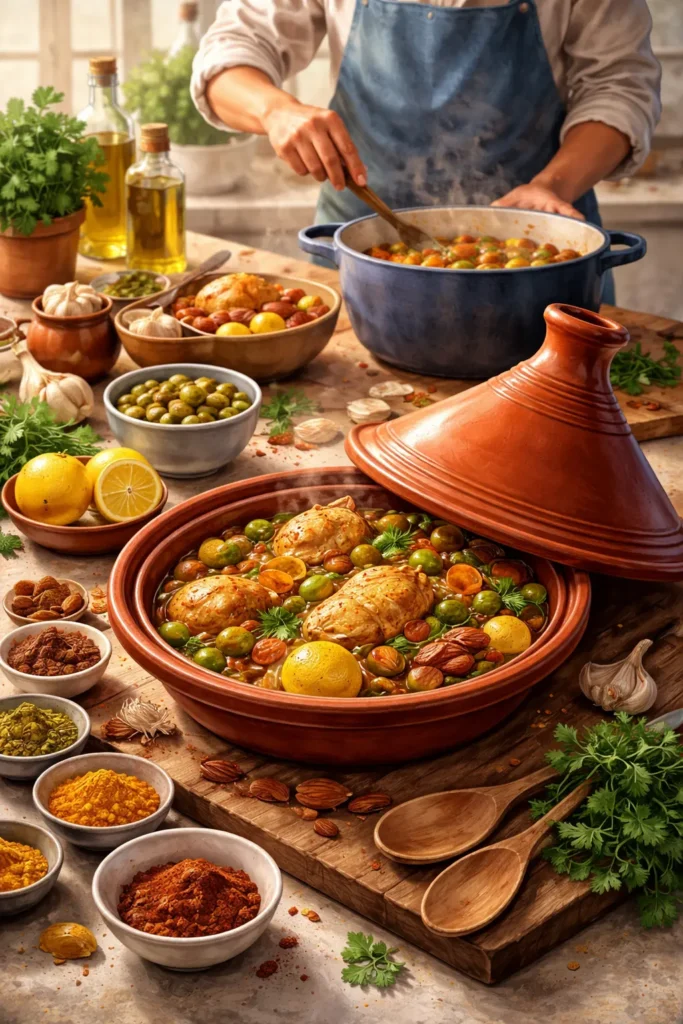
What is tagine food, in its traditional form? Modern tagines combine meat or vegetables with distinctive spice blends. What is tagine spice? The most common seasonings include warming spices like cinnamon, cumin, ginger, turmeric, paprika, and coriander. These spices are layered with preserved lemons, olives, dried fruits, and nuts to create complex flavor profiles where individual elements merge into something greater than the sum of their parts. A classic preparation might pair slow-cooked chicken with preserved lemons and green olives, or lamb with apricots and almonds.
You may like: How to Use a Tagine: Complete Guide
The beauty of this approach is that the long cooking time allows tougher, more affordable cuts of meat to become tender and deeply flavorful. What is tagine food preparation fundamentally about? It’s about transformation through time rather than technique complexity.
Home cooks have also adapted the cooking method. While traditional clay tagines require careful temperature management—they’re better suited to stovetop cooking over low heat or in the oven—modern versions made from enameled cast iron or ceramic can handle higher temperatures and provide more versatility. Some people even use regular Dutch ovens or braising pans with similar results, proving that while the vessel shapes technique, the principle can transfer across equipment.
Beyond the Pot: A Lesson in Sustainable Cooking
What makes the tagine particularly relevant today is how it exemplifies sustainability principles that modern kitchens are increasingly embracing. The design minimizes water and energy use, requires no added fats or oils in many tagine recipes, and allows cooks to transform inexpensive ingredients into impressive meals through time rather than technique complexity.
This efficiency wasn’t born from trendy environmental consciousness—it came from living in an arid climate where resources were finite. Yet it aligns perfectly with contemporary values around mindful cooking and waste reduction. The tagine teaches us that constraints often spark innovation, and that sometimes the oldest solutions address modern concerns more elegantly than we’d expect.
The Tagine as Cultural Artifact
Today, the tagine exists in an interesting space between functional cookware and decorative art. Many homes display tagines as kitchen décor, appreciating their aesthetic appeal even if they’re not regularly used for cooking. This dual role reflects how food traditions transcend their original contexts, becoming bridges between cultures and conversations about authenticity, adaptation, and evolution.
The most important thing to understand about tagines is that they represent a philosophy: that good food comes from patience, that flavors develop through time and thoughtful combination, and that the right tools—whether ancient or modern—can make all the difference in how we cook and eat.
[…] Discover our full post about definition of Tagine and its history […]
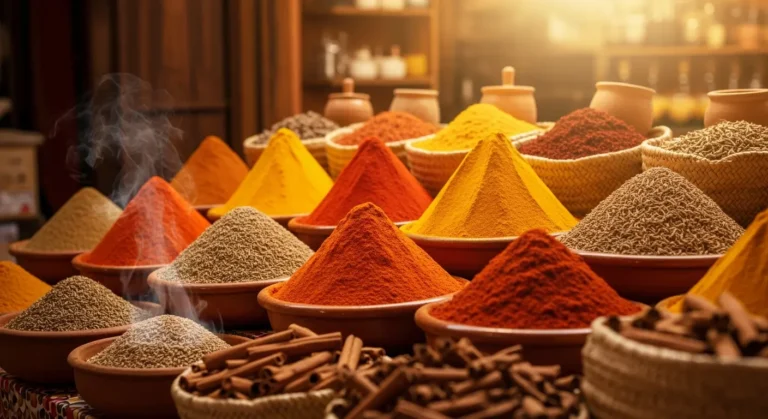
[…] taste of Moroccan cooking. Unlike many Western cuisines that rely on a handful of seasonings, authentic Moroccan tagine cooking embraces a philosophy of layered complexity, where each spice contributes its unique character to […]