
Free Worldwide Shipping on Orders Over $150
Tagine Spice Guide: Essential Moroccan Seasonings & Blends

The secret to unforgettable Moroccan cooking lies not in the pot, but in the spices that fill it. Tagine spice—that aromatic blend of warming, fragrant seasonings—transforms simple ingredients into dishes that have captivated food lovers for centuries. Whether you call it tagine spice, tajine spice, or épices tajine, understanding these essential seasonings unlocks the door to authentic North African flavors.
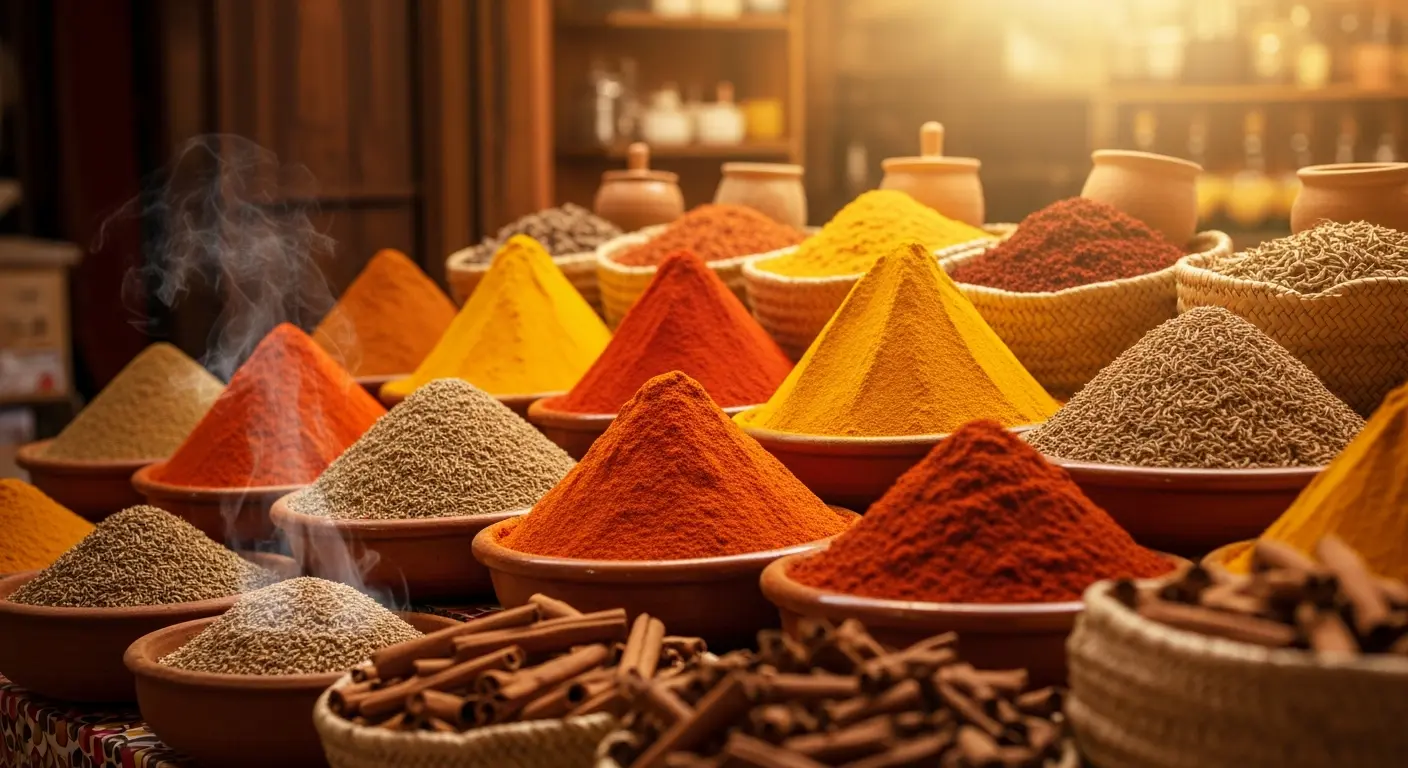
If you’ve ever wondered what is tagine spice or how to create that distinctive taste profile at home, you’re about to discover the building blocks of Morocco’s most beloved cuisine. From the complexity of ras el hanout to the brightness of preserved lemon tagine, each ingredient plays a vital role in crafting dishes that warm both body and soul.
Understanding Tagine Spice: The Foundation of Moroccan Flavor
Tagine spices are not a single ingredient but rather a symphony of aromatics that work together to create the signature taste of Moroccan cooking. Unlike many Western cuisines that rely on a handful of seasonings, authentic Moroccan tagine cooking embraces a philosophy of layered complexity, where each spice contributes its unique character to the final dish.
The typical tagine spice mix includes warming spices like cumin and coriander, sweet notes from cinnamon and ginger, and earthy depth from turmeric and paprika. These seasonings have been refined over centuries by Berber communities and royal palace kitchens alike, creating a culinary tradition that remains vibrant today.
What sets tagine seasoning apart from other spice blends is its balance. The spices never overwhelm the main ingredients—instead, they enhance the natural flavors of meat and vegetables while creating an aromatic experience that begins the moment you lift the conical lid from your traditional clay tagine.
The Essential Tagine Spices: Your Complete Pantry Guide
Building an authentic tagine spice collection starts with understanding which seasonings form the foundation of Moroccan cuisine. Here are the essential spices every home cook needs:
Cumin (Kamoun)
The backbone of nearly every tagine dish, cumin provides an earthy, slightly nutty warmth that anchors other flavors. Moroccan cooks typically use ground cumin, though whole seeds can be toasted and ground fresh for more intense flavor.
Coriander (Kuzbara)
Both ground coriander seeds and fresh cilantro appear in tagine cooking. The seeds offer citrusy, slightly sweet notes that complement cumin beautifully, while fresh cilantro adds brightness to finished dishes.
Turmeric (Kharkoum)
This golden spice contributes its characteristic yellow hue and subtle earthiness to tagine dishes. Beyond color, turmeric adds a mild, slightly bitter depth that rounds out sweeter spices.
Ginger (Skinjbir)
Fresh and ground ginger appear throughout Moroccan cuisine. Ground ginger provides warmth without heat, while fresh ginger adds brightness to marinades and sauces.
Cinnamon (Karfa)
Unlike Western baking applications, Moroccan cooks use cinnamon in savory dishes. Its subtle sweetness balances the earthiness of meat and creates the characteristic sweet-savory profile of many tagine recipes.
Paprika (Felfla Hlowa)
Sweet paprika adds color and a gentle pepper flavor without overwhelming heat. Some recipes call for smoked paprika for additional depth.
Saffron (Zafrane)
The world’s most precious spice appears in many premium tagine recipes, contributing its distinctive floral aroma and golden color. A few threads go a long way.
Black Pepper (Ibzar)
A universal seasoning that adds gentle heat and complexity to tagine spice blends.
Ras El Hanout: The Crown Jewel of Tagine Spice Mixes
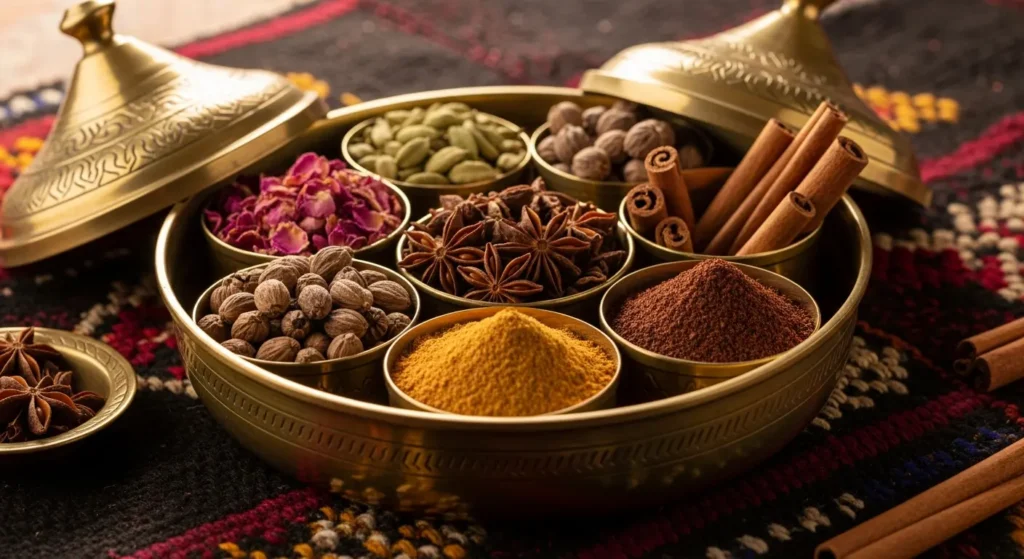
No discussion of tagine spices would be complete without ras el hanout, Arabic for “head of the shop.” This legendary blend represents the finest spices a merchant has to offer, and every spice seller guards their recipe closely.
A traditional ras el hanout may contain anywhere from twelve to over thirty spices, including:
- Cardamom
- Mace
- Nutmeg
- Allspice
- Dried rose petals
- Lavender
- Long pepper
- Galangal
- Orris root
- Grains of paradise
The complexity of ras el hanout makes it perfect for ras el hanout chicken tagine, where its nuanced flavors shine against the mild backdrop of poultry. To create this dish, marinate chicken pieces in ras el hanout with olive oil and garlic, then slow-cook them in your tagine with onions, olives, and a splash of chicken stock.
Preserved Lemons and Olives: Signature Tagine Ingredients
Beyond dried spices, certain preserved ingredients define the Moroccan tagine experience. Preserved lemon tagine—particularly the classic chicken tagine with preserved lemons and olives—showcases how these ingredients transform ordinary dishes into extraordinary ones.
Preserved Lemons (L’hamd Mrakad)
These salt-cured lemons undergo a transformation over several weeks, developing an intense, complex citrus flavor that fresh lemons cannot replicate. The rind becomes soft and fragrant, while the intense saltiness mellows into deep umami. Preserved lemons add brightness that cuts through rich, slow-cooked meats.
To use preserved lemons, scrape away the flesh and slice the rind into thin strips. Add them during the last thirty minutes of cooking to preserve their distinctive flavor.
Moroccan Olives
Meaty, briny Moroccan olives—often the purple or green varieties—provide savory depth and textural contrast in tagine dishes. They’re particularly essential in chicken tagine preparations.
Dried Fruits
The sweet-savory character of Moroccan cuisine relies heavily on dried fruits. Prunes, apricots, and dates appear in lamb tagines, creating the legendary contrast that defines dishes like Lamb Tagine with Prunes and Apricots.
Tagine Paste and Tagine Sauce: Convenient Flavor Boosters
For busy home cooks, tagine paste and tagine sauce offer shortcuts to authentic flavor. These prepared products combine traditional spices with aromatics into ready-to-use bases.
Tagine Paste
Commercial tagine pastes typically blend spices with garlic, ginger, tomato, and oil into a concentrated form. A spoonful adds instant depth to your cooking. Quality tagine paste should taste balanced—warming but not overpowering, with clear spice notes rather than a muddy, generic heat.
When shopping for tagine paste, look for products listing recognizable spices in the ingredients rather than artificial flavorings. The best pastes taste like concentrated versions of homemade spice blends.
Making Your Own Tagine Sauce Recipe
Creating homemade tagine sauce gives you complete control over flavor and quality. Here’s a versatile base:
Basic Tagine Sauce Recipe
- 2 tablespoons olive oil
- 1 large onion, grated
- 4 cloves garlic, minced
- 2 teaspoons ground cumin
- 1 teaspoon ground coriander
- 1 teaspoon ground ginger
- 1 teaspoon paprika
- 1/2 teaspoon turmeric
- 1/2 teaspoon cinnamon
- Pinch of saffron threads (optional)
- 1 can (400g) crushed tomatoes
- 1 cup chicken or vegetable stock
- Salt to taste
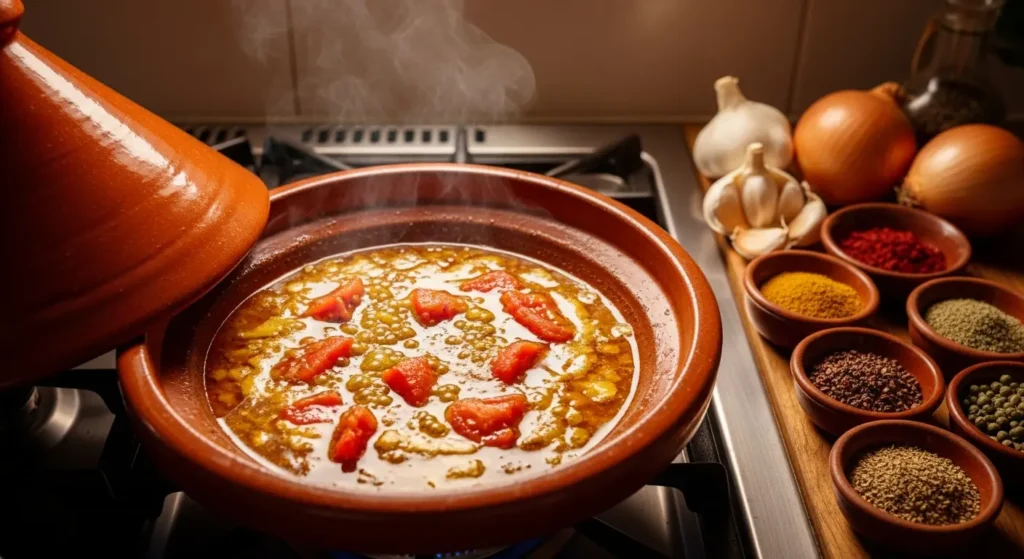
Heat olive oil in the base of your authentic Moroccan clay tagine over medium-low heat. Add the grated onion and cook until softened and beginning to caramelize, about ten minutes. Add garlic and all spices, stirring for one minute until fragrant. Pour in tomatoes and stock, bring to a simmer, then reduce heat to low. This sauce forms the perfect base for adding your choice of protein or vegetables.
Commercial Tagine Sauces: What to Know
Products like Mina tagine sauce have introduced Moroccan flavors to mainstream grocery stores. These jarred sauces offer convenience for weeknight cooking when time is limited.
When evaluating commercial options like Mina tagine sauce, consider these factors:
- Ingredient quality: Look for real spices, olive oil, and recognizable ingredients
- Flavor authenticity: The sauce should taste layered and complex, not one-note
- Versatility: Good sauces work with various proteins and vegetables
- Heat level: Most traditional tagine sauces are warming rather than spicy-hot
Commercial sauces work best as a starting point. Enhance them with additional fresh garlic, a splash of preserved lemon juice, or extra ras el hanout to customize the flavor profile.
Building Flavor: The Art of Tagine Cooking
Understanding tagine spices is only half the equation—knowing how to use them matters equally. The traditional tagine cooking method relies on layering flavors through specific techniques.
Marinating
Many tagine recipes begin with marinating the protein in a mixture of spices, garlic, and olive oil. This step, called chermoula when applied to fish, allows flavors to penetrate deeply. Marinate chicken or lamb for at least two hours, preferably overnight.
Blooming Spices
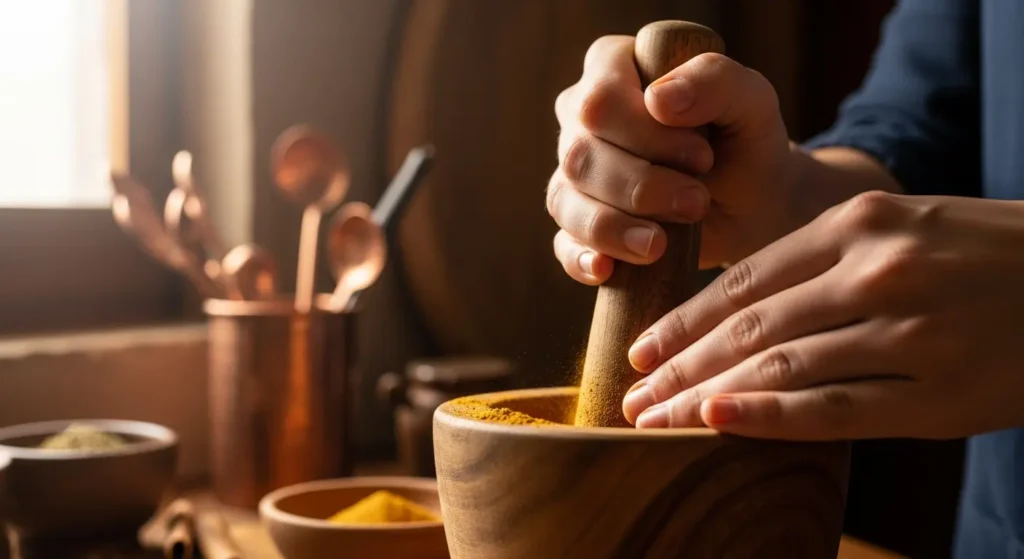
Toasting ground spices briefly in oil activates their volatile compounds, releasing more aroma and flavor. This crucial step takes only sixty seconds but dramatically improves the final dish.
The Low and Slow Approach
Tagine cooking requires patience. The conical lid traps steam, creating a self-basting environment that tenderizes tough cuts and melds flavors over two to three hours of gentle simmering. Rushing this process yields inferior results.
Layering Ingredients
Traditional tagine construction follows a specific order: aromatics and sauce on the bottom, protein in the middle, and vegetables arranged around and on top. This arrangement ensures even cooking while protecting delicate ingredients.
Creating Your Own Tagine Spice Mix
While commercial blends offer convenience, creating your own tagine spice mix allows customization and freshness. Here’s a balanced recipe to start:
Homemade Tagine Spice Blend
- 2 tablespoons ground cumin
- 2 tablespoons ground coriander
- 1 tablespoon ground ginger
- 1 tablespoon paprika
- 2 teaspoons ground turmeric
- 1 teaspoon ground cinnamon
- 1 teaspoon black pepper
- 1/2 teaspoon ground cardamom
- 1/4 teaspoon ground cloves
Combine all spices in a jar and shake well. Store in a cool, dark place for up to three months. Use two to three tablespoons per pound of meat or four cups of vegetables.
For maximum flavor, start with whole spices and grind them yourself. Toast cumin and coriander seeds in a dry pan until fragrant, then grind them with the remaining spices in a spice grinder.
Pairing Spices with Proteins and Vegetables
Different tagine spice combinations suit different main ingredients:
For Lamb
Embrace sweet-savory combinations with cinnamon, ginger, cumin, and dried fruits. Lamb’s rich flavor stands up to bold seasoning.
For Chicken
Lighter spicing with preserved lemons, olives, cumin, and saffron allows the poultry’s delicate flavor to shine. Ras el hanout chicken tagine represents the perfect balance.
For Fish
Delicate fish requires a lighter touch. Chermoula—a blend of cilantro, parsley, garlic, cumin, and paprika—complements seafood without overwhelming it.
For Vegetables
Root vegetables like carrots, sweet potatoes, and chickpeas take well to warming spices. Add honey or dried apricots to enhance their natural sweetness.
Sourcing Quality Tagine Spices
The quality of your spices directly impacts your finished dish. Here’s how to source the best:
Buy from Specialty Stores
Middle Eastern and North African grocery stores often carry fresher, more authentic spices than mainstream supermarkets.
Check Freshness
Spices lose potency over time. Ground spices should be replaced every six to twelve months. Smell before using—if there’s no aroma, there’s no flavor.
Consider Whole Spices
Whole spices retain their essential oils longer than pre-ground versions. Invest in a spice grinder for best results.
Look for Origin
Moroccan-sourced spices often have distinctive flavor profiles shaped by local terroir. When possible, seek out products from North African producers.
Serving Your Tagine Creation
The presentation of a tagine dish matters as much as its preparation. Traditionally, the tagine pot itself serves as the serving vessel, brought to the table with its conical lid intact. Removing the lid at the table releases aromatic steam—a dramatic moment that builds anticipation.
Accompany your tagine with traditional sides:
- Couscous: The classic accompaniment, perfect for absorbing flavorful sauce
- Crusty bread: For scooping directly from the shared pot
- Moroccan salads: Light, fresh counterpoints to rich tagine dishes
- Mint tea: The traditional beverage pairing
Start Your Tagine Spice Journey
Mastering tagine spices opens a world of aromatic, satisfying cooking that connects you to centuries of culinary tradition. Whether you’re making a simple weeknight chicken tagine or an elaborate lamb preparation for guests, these seasonings transform ordinary ingredients into extraordinary meals.
Begin with the essential spices—cumin, coriander, ginger, turmeric, and paprika—then expand your collection as you explore different recipes. Create your own spice blends, experiment with preserved lemons and olives, and discover why Moroccan cuisine has captivated food lovers worldwide.
Ready to put these spices to work? Explore our collection of authentic handcrafted tagines to find the perfect vessel for your culinary adventures. Each pot is handmade by Moroccan artisans using traditional techniques passed down through generations—because authentic flavor deserves authentic cookware.
